


How the Program Works
At each partner shelter, children and caregivers have access to a therapist and a child and youth worker who are on-site each week. Support might include:
- Helping children manage worries, nightmares, or behaviour changes after trauma.
- Working with caregivers to create calm, consistent routines such as bedtime and mealtimes.
- Offering practical tools for communication and emotional support during transitions.
- Helping families navigate forms, school concerns, and community resources as they move into stable housing.
Services are evidence-based, trauma-informed, and focused on creating lasting change.
Support continues even after families leave the shelter, ensuring continuity of care and smoother transitions into long-term stability.


Building Shared Capacity
An important part of the program is mutual learning between Crossroads and the shelter teams. Crossroads staff train shelter workers on topics like child trauma, emotional regulation, and strategies to support children’s recovery. In turn, shelter staff train Crossroads clinicians on recognizing signs of abuse, supporting safety planning, and understanding the resilience of survivors. This cross-training strengthens the overall network of care, ensuring that families receive consistent and coordinated support across all settings.
Latest News

Children do not grow in isolation – they are shaped by their families, their communities, and the cultural identities that influence how they understand the […]

For children and families navigating trauma, change, and uncertainty, even the smallest moments of stability can make a meaningful difference. In environments where routines have […]
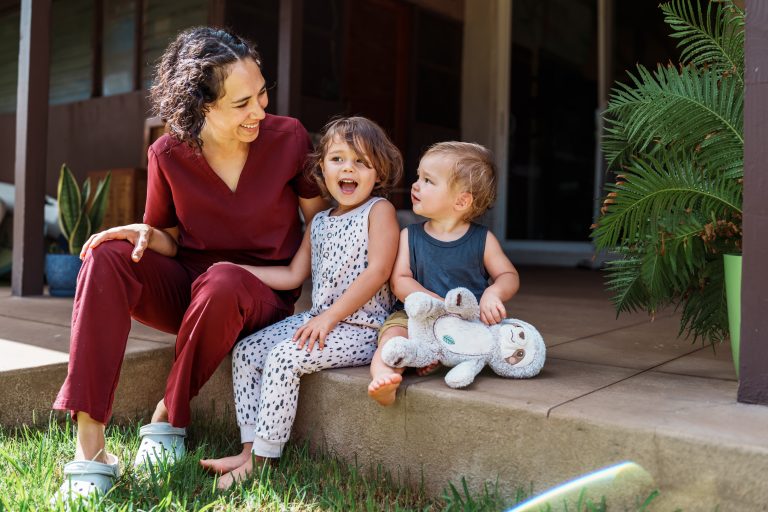
Supporting children in the context of gender-based violence often means supporting the caregivers who are caring for them. Many caregivers are navigating their own trauma […]
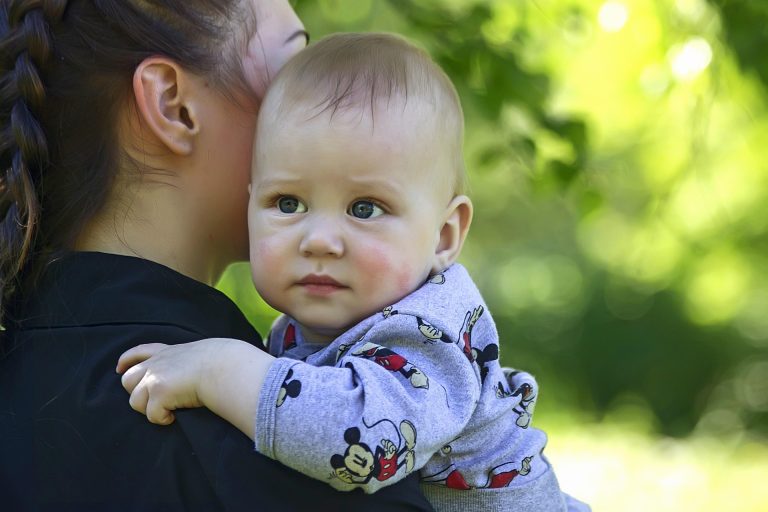
A Sanctuary Beyond Safety: Supporting Families at Nelson House
For women and non-binary people leaving domestic violence, Nelson House offers more than a safe […]